
Skincare for Oily Skin



Why We Are Incredible
Our products are derived from natural extracts to provide complete nourishments.


Skincare for Oily Skin
Oily skin, in one line: it's a skin type where the sebaceous glands produce more sebum (natural oil) than the skin needs, leading to visible shine, larger-looking pores, and a higher tendency toward blackheads, whiteheads, and breakouts.
It's one of the four broad skin types — alongside dry, combination, and sensitive — and it's especially common across India's warm, humid climate, where sebum production tends to increase further during monsoon and peak summer months.
Quick Answer: If you're short on time — for active breakouts, start with a tea tree or neem face wash; for blackheads and congestion, use charcoal or apple cider vinegar; for dullness, use vitamin C; for sensitivity, use lavender, chamomile, or cucumber; and don't skip a lightweight hyaluronic acid serum, even with oily skin.
This collection is built for anyone dealing with visible shine, frequent breakouts, clogged pores, or skin that feels oily again just hours after washing — students dealing with first breakouts, working professionals managing midday shine, or anyone looking for a natural, chemical-free alternative to harsher oil-control products.
Benefits of Using Oily Skin Care Products
Choosing products formulated specifically for oily, sebum-heavy skin — rather than generic, one-size-fits-all skincare — makes a measurable difference over time:
- Reduced shine and surface oil. Activated charcoal and tea tree absorb excess sebum and help unclog pores, so skin looks matte rather than greasy by afternoon.
- Fewer breakouts. Neem and tea tree oil have natural antibacterial properties that target the bacteria linked to acne and clogged pores.
- Cleaner, tighter-looking pores. Charcoal and apple cider vinegar help lift out trapped dirt, oil, and dead skin cells that cause blackheads.
- Brighter, more even tone. Vitamin C helps fade dullness and light pigmentation that often follows acne.
- Hydration without heaviness. A common myth is that oily skin doesn't need hydration or a moisturizer. In reality, dehydrated, sebum-heavy skin often overproduces oil to compensate — lightweight, water-based, non-comedogenic ingredients like hyaluronic acid hydrate without adding grease.
- Calmer, less irritated skin. Lavender and chamomile help soothe redness that can accompany frequent breakouts, over-cleansing, or humid-weather irritation.
Key takeaway: Oily skin doesn't need fewer products or more washing — it needs the right combination of oil control, gentle exfoliation, and non-comedogenic hydration.
Natural Ingredients vs. Common Chemical Actives — How They Compare
Most oily-skin skincare advice online centers on chemical actives like salicylic acid (a BHA) and niacinamide. Both are genuinely effective — salicylic acid exfoliates inside pores to clear congestion, and niacinamide helps regulate sebum production and calm inflammation. Atulya's approach uses natural ingredients that target the same core concerns, often with a gentler entry point for people who find chemical actives irritating.
- Acne-causing bacteria: The common chemical option is benzoyl peroxide. Atulya's natural alternative is tea tree and neem, which work through natural antibacterial action that targets the bacteria behind breakouts.
- Clogged pores and blackheads: Salicylic acid (a BHA) is the go-to chemical active here. Activated charcoal offers a natural alternative, drawing out oil, dirt, and impurities from deep within pores.
- Oil regulation and texture: Niacinamide is the most commonly recommended active for this. Apple cider vinegar serves a similar purpose naturally, balancing skin's pH and gently exfoliating surface buildup.
- Dullness and uneven tone: Vitamin C is used across both natural and chemical-forward routines — Atulya uses the same active in a natural, gentler formulation to brighten skin and help fade post-acne marks.
- Hydration without oil: Hyaluronic acid is a shared ingredient across both categories, offering non-comedogenic hydration that helps prevent the dehydration-driven oiliness common in oily-skin routines.
- Sensitivity or irritation: Chemical routines often need a separate "sensitive skin" reformulation. Atulya turns to naturally calming ingredients like lavender, chamomile, and cucumber instead, which carry a lower risk of irritating reactive, oily skin.
This isn't an either/or — some people combine both approaches. But if you're looking for a gentler starting point, or want to avoid the trial-and-error that comes with introducing multiple new actives at once, natural, single-purpose formulations are a reasonable place to start.
How to Choose the Best Product for Oily Skin
- Oily and acne-prone skin → Tea tree and neem-based formulas, for their natural antibacterial action against breakout-causing bacteria.
- Oily skin with blackheads and clogged pores → Charcoal and apple cider vinegar-based cleansers, which draw out impurities and gently exfoliate.
- Oily and dull, uneven-toned skin → A vitamin C face wash, to brighten while cleansing.
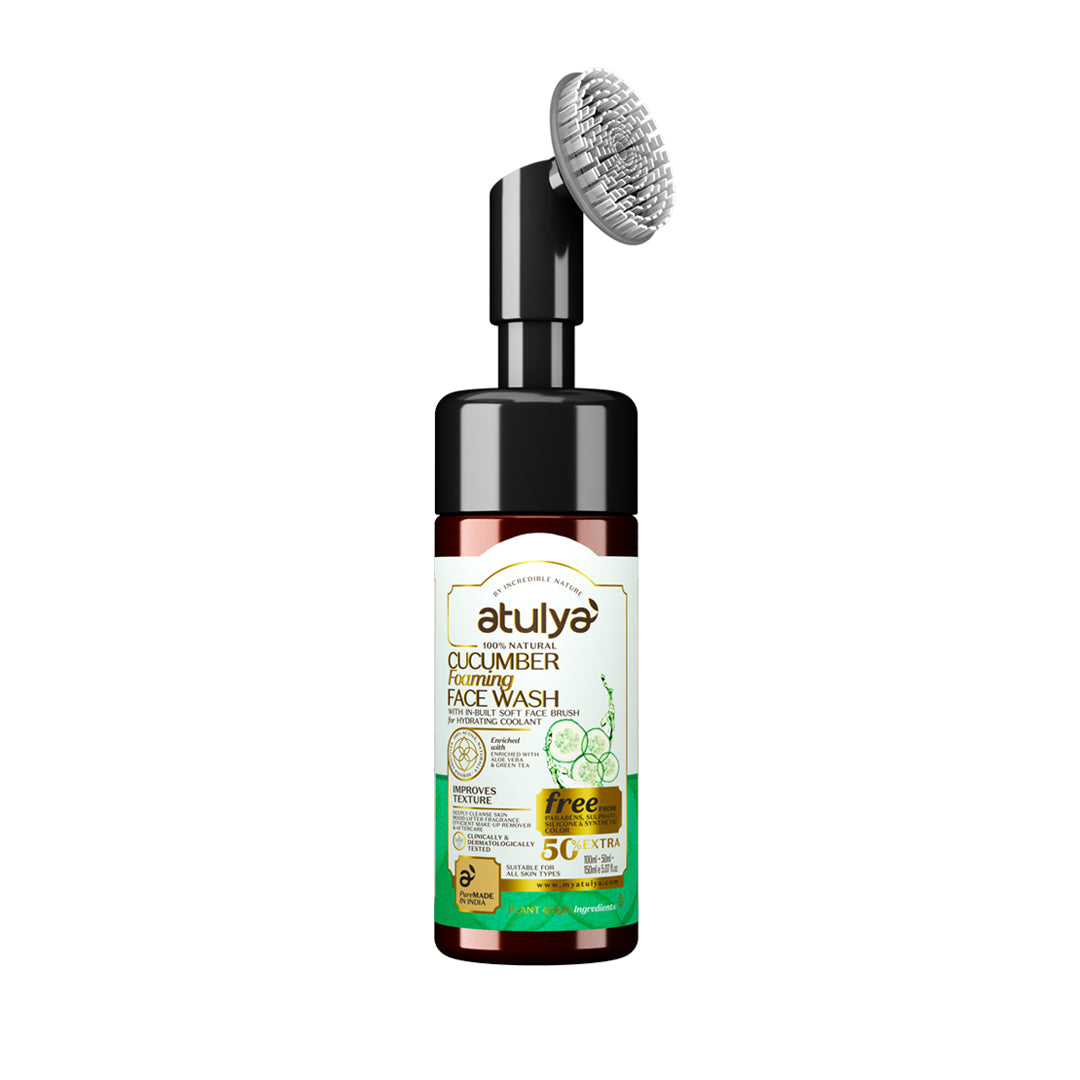
- Oily and sensitive or easily irritated skin → Lavender, chamomile, or cucumber-based formulas that cleanse without over-stripping the barrier.
- Oily skin that also feels dehydrated → A lightweight, non-comedogenic hyaluronic acid serum, which hydrates without adding surface oil.
- Combination-oily skin (oily T-zone, normal/dry cheeks) → A gentle foaming cleanser (cucumber or lavender-based) paired with targeted charcoal or ACV use only on the T-zone.
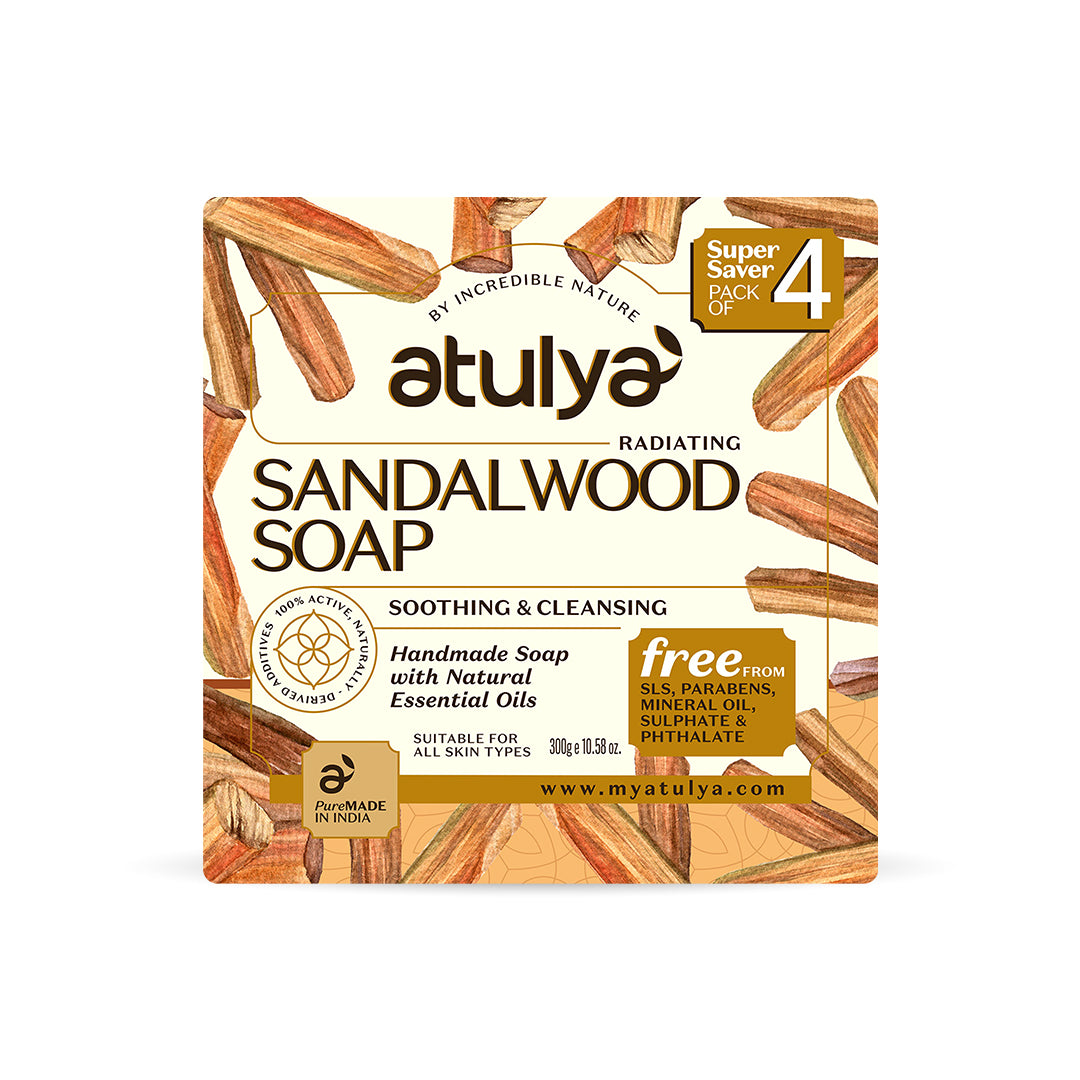
- Body breakouts (back, chest, shoulders) → Sandalwood soap for gentle, non-drying cleansing.
Rule of thumb: Acne and bacteria → tea tree/neem. Blackheads and congestion → charcoal/ACV. Dullness → vitamin C. Sensitivity → lavender/chamomile/cucumber. Dehydration → hyaluronic acid.
Oily Skin in India's Climate
Humidity, heat, and pollution all increase sebum production, which is why many people notice their skin becomes noticeably oilier during the monsoon and peak summer months — even if their skin is only mildly oily the rest of the year. Post-monsoon breakouts are common, often linked to trapped moisture, sweat, and increased bacterial activity on the skin. During these months, lighter, gel-based or foaming cleansers (rather than cream-based ones) and non-comedogenic, oil-free moisturizers tend to work better than heavier formulations.
Important Ingredients and Their Benefits
Tea Tree Oil — A natural essential oil known for antibacterial and antifungal properties, widely used in oily and acne-prone skincare to target breakout-causing bacteria. At a glance: best for active acne, recurring breakouts, oily T-zones.
Neem — A traditional Ayurvedic ingredient long used for skin purification; helps calm inflammation and redness from breakouts. At a glance: best for acne-prone, easily irritated oily skin.
Activated Charcoal — A deep-cleansing ingredient that draws out oil, dirt, and impurities from pores, particularly effective against blackheads and enlarged pores. At a glance: best for clogged pores, blackheads, dull congested skin.
Apple Cider Vinegar (ACV) — Naturally acidic; helps balance skin's pH and gently exfoliates away dead skin cells contributing to blackheads and dullness. At a glance: best for oily, blackhead-prone skin.
Vitamin C — A well-known antioxidant that brightens tone, fades post-acne marks, and protects against everyday environmental stress. At a glance: best for oily skin with dullness or dark spots.
Cucumber — Naturally cooling and hydrating; soothes while cleansing, gentle enough for reactive, oily-sensitive skin. At a glance: best for sensitive-oily, redness-prone skin.
Sandalwood — A traditional Ayurvedic ingredient valued for soothing, mildly astringent properties. At a glance: best for everyday cleansing, oily-sensitive skin.
Hyaluronic Acid — A non-comedogenic humectant that draws moisture into skin without adding oil or heaviness; genuinely suitable for oily skin. At a glance: best for oily skin that also feels tight, dehydrated, or dull.
Lavender & Chamomile — Calming, anti-inflammatory ingredients that cleanse without irritating already-sensitive, oily skin. At a glance: best for reactive, sensitive-oily skin.
How to Use These Products Correctly
- Cleanse twice a day, not more. Over-washing strips natural oils and can trigger more sebum production in response.
- Use lukewarm water, not hot. Hot water strips the skin barrier over time.
- Don't skip moisturizer or serum. Skipping hydration is the most common oily-skin mistake — it often increases oil production rather than reducing it.
- Apply serum before heavier products. Apply hyaluronic acid serum to slightly damp skin right after cleansing, then follow with a lightweight, oil-free moisturizer.
- Introduce new actives gradually. Start tea tree, charcoal, or ACV-based products on alternate days before daily use, to let skin adjust.
- Know the difference between purging and breaking out. A short-term increase in small breakouts when starting a new exfoliating ingredient (like charcoal or ACV) is sometimes purging — a temporary adjustment phase — rather than a sign the product doesn't suit you. If irritation is severe or lasts more than a few weeks, discontinue use.
- Always follow with SPF during the day. Look for an oil-free or non-comedogenic sunscreen so it doesn't add extra shine.
- Avoid combining too many active ingredients at once. Using charcoal, ACV, and vitamin C all in one routine can over-exfoliate. Focus on one or two at a time.
Key takeaway: A simple, consistent routine — gentle cleanse, targeted treatment, lightweight hydration, daily SPF — outperforms a complicated one for oily skin.
Which Product Is Right for You?
- Frequent breakouts, visible acne → Tea Tree & Neem Foaming Face Wash
- Blackheads, clogged, congested-feeling skin → Activated Charcoal Foaming Face Wash
- Dullness, uneven tone, post-acne marks → Vitamin C Foaming Face Wash
- Sensitive or reactive oily skin → Lavender & Chamomile or Cucumber Foaming Face Wash
- Blackheads with rough texture → Apple Cider Vinegar Foaming Face Wash
- Oily but dehydrated-feeling skin → Hyaluronic Acid Face Serum
- Body breakouts (back, chest, shoulders) → Sandalwood Soap
If you're unsure, start with a tea tree or neem-based cleanser as your daily base, and add a targeted product (charcoal, ACV, or vitamin C) two to three times a week based on your specific concern.
Why Customers Choose Atulya
Atulya formulates around plant-based, natural ingredients rather than harsh surfactants or synthetic fragrances — a meaningful difference for oily and acne-prone skin that reacts easily to aggressive formulas. Products are free from sulphates, parabens, and added alcohol, and are dermatologically tested before release.
The formulation approach pairs a well-known Ayurvedic or natural ingredient (neem, tea tree, sandalwood, charcoal) with a single clear purpose, rather than stacking dozens of actives into one product — making it easier to build a routine around your actual concern instead of guessing between competing chemical actives.
FAQs
Q. What is the best face wash for oily skin?
Ans. Tea tree and neem-based face washes are generally best for oily, acne-prone skin, as both have natural antibacterial properties that target breakout-causing bacteria while cleansing away excess oil.
Q. Is charcoal good for oily skin?
Ans. Yes. Activated charcoal draws out excess oil, dirt, and impurities from pores, making it especially effective for blackheads and congested, oily skin.
Q. Can I use a hyaluronic acid serum if I have oily skin?
Ans. Yes. Hyaluronic acid is a lightweight, non-comedogenic hydrator that doesn't add oil to the skin, and can help reduce excess oil caused by dehydration.
Q. Does oily skin need a moisturizer?
Ans. Yes. Skipping moisturizer can make oily skin worse, as skin may overproduce oil to compensate for lost hydration. A lightweight, oil-free moisturizer or serum is recommended.
Q. How often should I wash oily skin?
Ans. Twice a day — morning and night — is generally enough. Washing more frequently can strip skin and trigger more oil production.
Q. What causes oily skin?
Ans. Common causes include genetics, hormonal changes, humid weather, diet, and over-cleansing or using harsh products that strip natural oils.
Q. Is apple cider vinegar good for oily, acne-prone skin?
Ans. Yes, in formulated skincare products. ACV helps balance skin's pH and gently exfoliates away dead skin cells that contribute to clogged pores and blackheads.
Q. What's the difference between oily skin and combination skin?
Ans. Oily skin produces excess sebum across the entire face, while combination skin is oily mainly in the T-zone and normal to dry elsewhere.
Q. Is niacinamide better than natural ingredients like neem and tea tree for oily skin?
Ans. Niacinamide and natural ingredients like neem and tea tree address oil control through different mechanisms — niacinamide regulates sebum production directly, while neem and tea tree work primarily through antibacterial action. Both can be effective; natural options are often a gentler starting point for sensitive or reactive skin.
Q. Do I need salicylic acid for oily skin, or can natural ingredients work instead?
Ans. Salicylic acid is effective at exfoliating inside pores, but natural exfoliants like apple cider vinegar and deep-cleansing ingredients like activated charcoal can achieve similar pore-clearing results with a gentler profile for those new to active ingredients.
Q. Why does my skin get oilier in the monsoon or summer?
Ans. Higher humidity and heat increase sebaceous gland activity, leading to more visible oil and, often, more breakouts during India's monsoon and peak summer months.
Q. What's the difference between purging and breaking out?
Ans. Purging is a temporary increase in small breakouts when starting a new exfoliating ingredient, as skin cell turnover speeds up; it typically settles within a few weeks. A true breakout or irritation reaction tends to persist or worsen rather than improve over time.
Q. Should I use a scrub if I have oily skin?
Ans. Gentle exfoliation 1–2 times a week can help, but harsh physical scrubs can irritate skin and trigger more oil production. Ingredient-based exfoliants like apple cider vinegar are usually a gentler choice.
Q. Is vitamin C suitable for oily skin?
Ans. Yes. Vitamin C helps brighten dull, uneven-toned oily skin and fade post-acne marks, and works well alongside oil-control ingredients like tea tree or charcoal.
Q. What ingredients should oily skin avoid?
Ans. Heavy oils, thick butters, and alcohol-based products can clog pores or over-strip skin, both of which can worsen oiliness. Look for non-comedogenic labeling where possible.
Q. Are natural, chemical-free products as effective as salicylic acid or niacinamide for oily skin?
Ans. Natural ingredients like neem, tea tree, charcoal, and apple cider vinegar have long-standing use in Ayurvedic and natural skincare for oil balance and antibacterial action, offering an effective, generally gentler alternative for people who prefer to avoid stronger chemical actives.
Q. What's the right skincare routine order for oily skin?
Ans. Cleanse, apply a lightweight serum (like hyaluronic acid) to damp skin, follow with a non-comedogenic moisturizer, and finish with an oil-free SPF during the day.


